
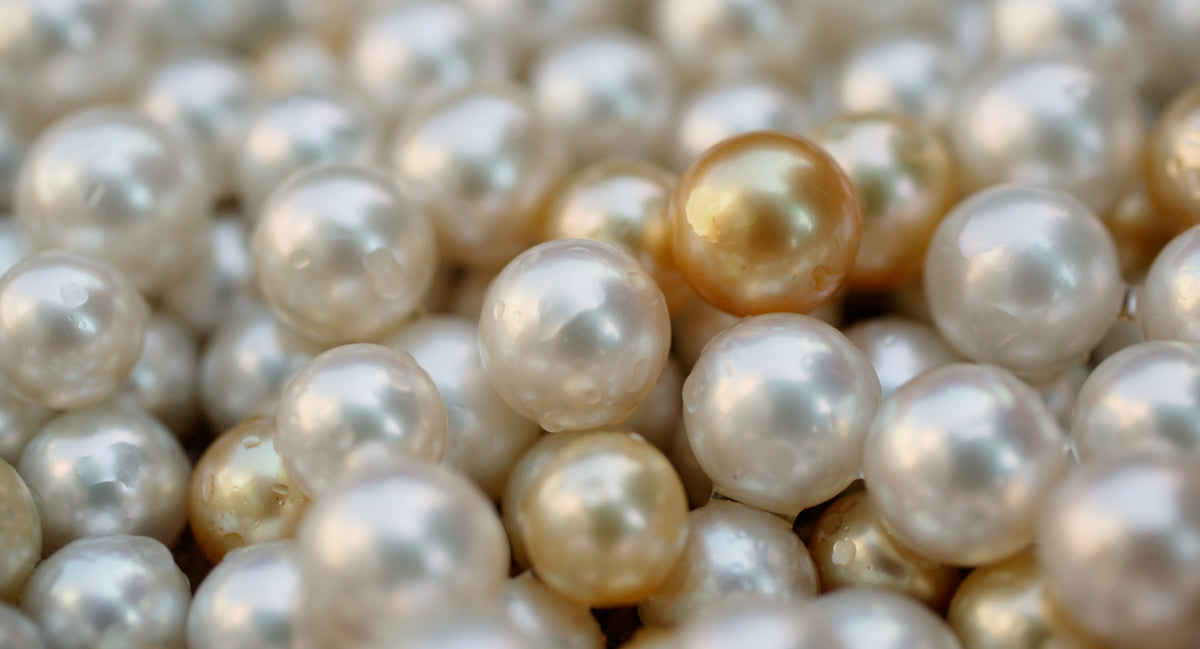
Home/About
About South Sea Pearls
The Queen of all pearls.
Of all the pearls across the globe, there is one that is rare and revered — a pearl of strange perfection that bears the fingerprint of forever.
The South Sea Pearl
A labour of love.
In pristine waters, where the temperature is gentle and the atmosphere nurturing, the South Sea pearl takes shape.
It spends two silent years within its host oyster — the Pinctada maxima, commonly known as the silver or gold lip, or the Pinctada margaritifera, commonly known as the black lip. The breathtaking gift finally delivered into our world is well worth the wait.
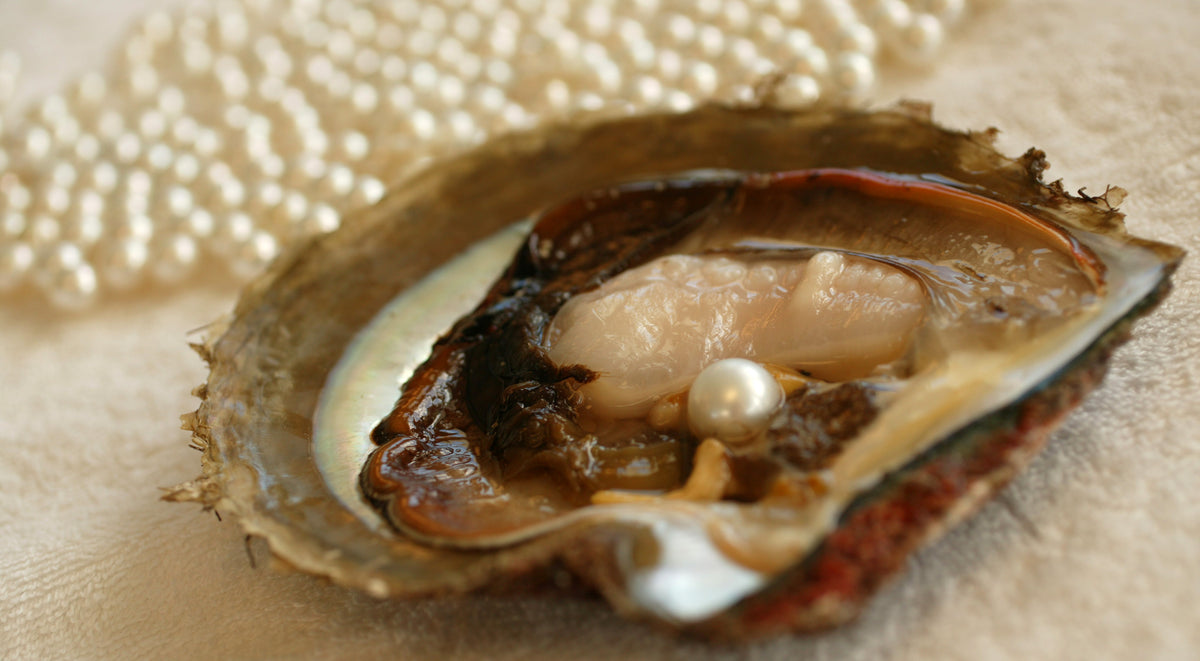
What is a South Sea Pearl?
Rare, large and unrivalled in lustre.
South Sea pearls command a premium for their size, lustre and quality. They are known to have the thickest average nacre of all cultured pearls — and with it, an unparalleled lustre.
- 2 yrs
- Growing within the oyster
- 8–20+
- Millimetres in size
- 9–15
- Millimetres — the majority
- 15+
- Millimetres — incredibly rare
Our Pearls, Our Producers
True beauty comes from within.
Historically a symbol of fortune, protection, wealth and longevity, the South Sea pearl is a good luck charm revered across the globe.
The largest and most valuable of all pearls, its inner glow is its most powerful virtue. AUTORE sources every White and Gold South Sea pearl used in its jewellery from the company's own farms, in the crystal-clear oceans along the coastlines of Australia and Indonesia — all MSC certified sustainable.
An organic gemstone and a gift of Mother Nature herself, the South Sea pearl is priceless and unique.
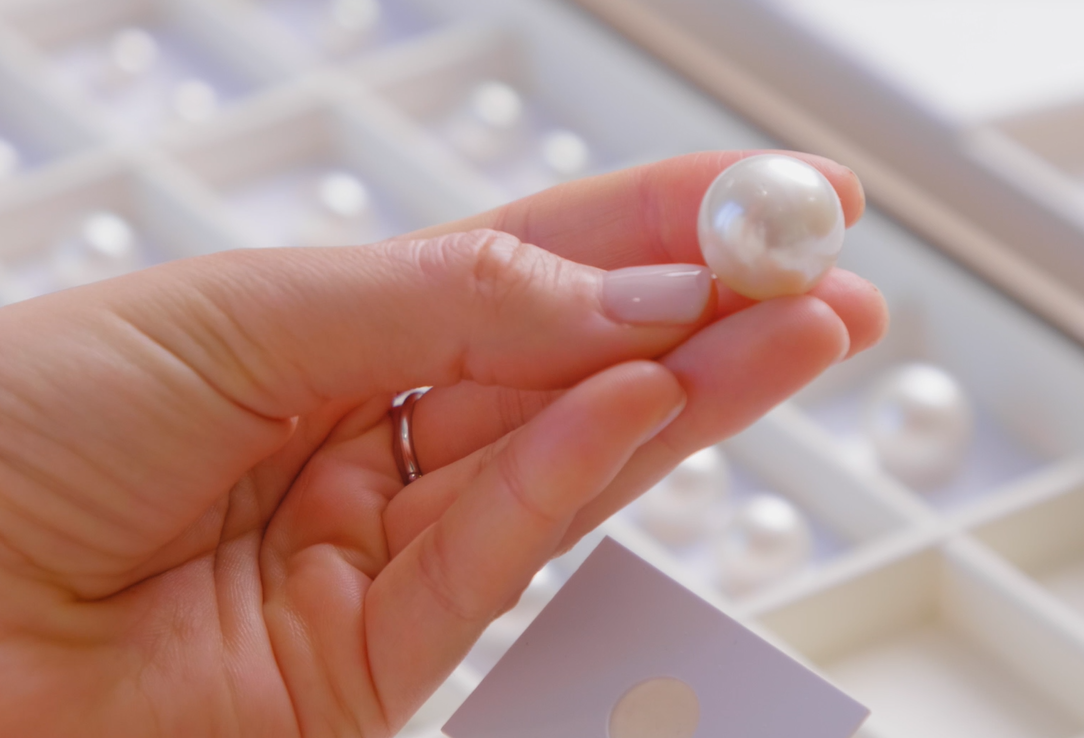
The Oyster
Pinctada maxima.
The South Sea pearl grows in the Pinctada maxima oyster, native to Australia and Indonesia, where The AUTORE Group has its farming operations.
The Pinctada maxima produces a spectrum of shades from white to golden, and the species can also be found in Myanmar, the Philippines and Malaysia. Its cousin, the Pinctada margaritifera, produces a spectrum from black to green to aubergine, and is commonly found in Tahiti, Fiji and the Cook Islands.